What Makes a Dark Web URL Different
Onion addresses are generated cryptographically by Tor hidden services. Each one is a public key encoded in base32 format, typically 16 characters long in the older v2 standard or 56 characters in the newer v3 standard. Unlike regular domains registered through ICANN, onion addresses cannot be bought, sold or transferred; they are created by the service operator and tied to their private key.
When you visit an onion URL, your Tor browser decrypts the connection through multiple relays, ensuring neither the site operator nor your ISP can see your real IP address. The address itself contains no information about the site's location, owner or content; it is purely a routing identifier. This is why a legitimate onion address looks random and why there is no central registry of all active onion sites.
How Legitimate Onion Addresses Are Published
Official projects like the Tor Project, news organizations and privacy-focused services publish their onion addresses through multiple channels to prevent phishing. The Tor Project lists official mirrors on its main website and signs announcements with PGP keys. News outlets like BBC and ProPublica publish their onion URLs on their regular websites and in press materials.
Forums and marketplaces historically announced their addresses through Reddit, Twitter or their own clearnet mirrors before they were seized or closed. The key principle is that any legitimate service will publish its address from a source you can already verify. If you find an onion address only on a random blog or forum post with no corroboration, treat it as unverified. Cross-referencing multiple independent sources and checking PGP signatures on announcements are the best dark web apps for verification.
The Phishing Clone Problem
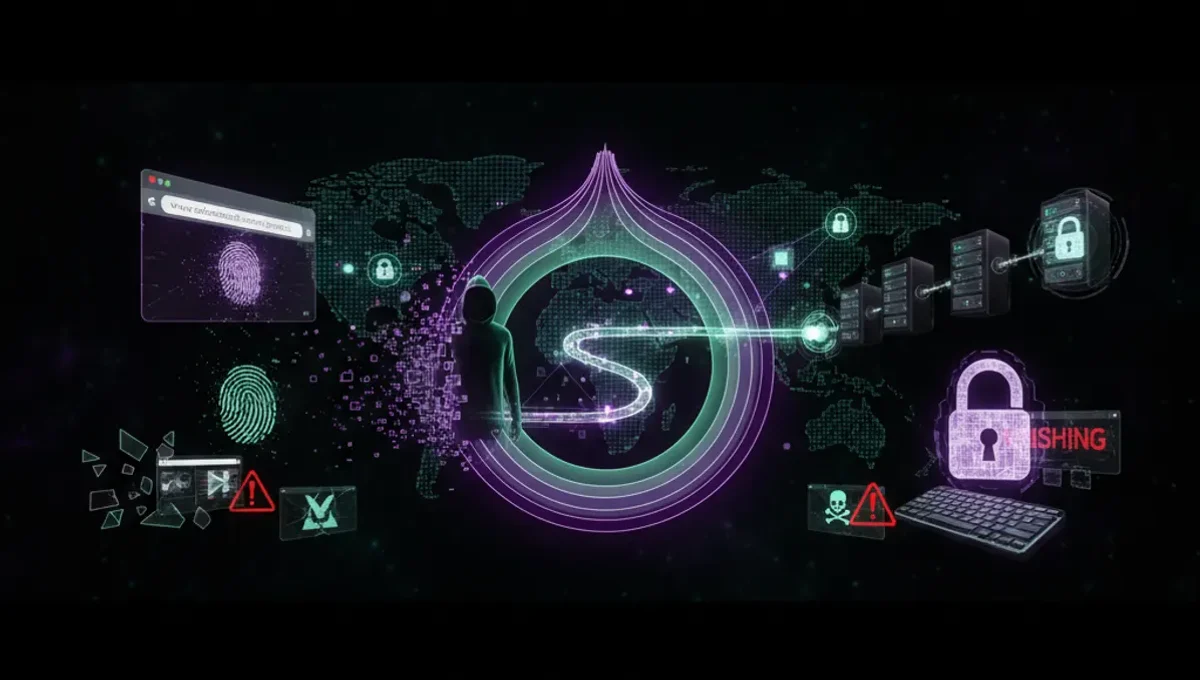
Because onion addresses are random strings, users cannot easily remember or verify them by sight. Attackers exploit this by creating lookalike addresses that differ by only one or two characters. A user intending to visit a marketplace might accidentally type a similar address controlled by a scammer, who then steals their login credentials or funds.
Phishing clones were particularly common on dark web marketplaces and forums. An attacker would register a new onion address, copy the legitimate site's design, and post the fake address on social media or forums. Users who did not bookmark the correct address or verify it through an official source would lose money or have their accounts compromised. This is why the best dark web browser practices include bookmarking only addresses you have verified through official channels and never clicking links from untrusted sources.
Verification Methods for Onion Addresses
To verify an onion address is legitimate, follow these steps:
- Visit the organization's clearnet website (their regular .com or .org domain)
- Look for an official onion address link or announcement section
- Check if the address is signed with a PGP key you can verify independently
- Cross-reference the address on multiple official channels (their Twitter, their website, a press release)
- Bookmark the verified address in your Tor browser and use only that bookmark
- Before entering sensitive information, confirm the address in your browser's address bar matches your bookmark exactly
For news organizations and privacy projects, the official onion URL is usually listed prominently on their main website. For closed or historical marketplaces, you cannot verify an address because the service no longer operates; any site claiming to be a revival is almost certainly a phishing clone or scam.
Why Onion URLs Cannot Be Indexed Like Regular Websites
Search engines cannot crawl onion addresses the way they index the clearnet. Tor hidden services are designed to be opt-in; a site operator must explicitly allow search engine bots to access their service, and most do not. This means there is no equivalent to Google for the dark web, and no search engine can provide a complete directory of onion sites.
Some best dark web search engines like DuckDuckGo operate onion mirrors that index a limited set of onion sites whose operators have submitted them. However, these indexes are incomplete and often include outdated or dead links. The lack of a centralized search function is intentional; it prevents casual discovery of illegal content and protects the privacy of legitimate hidden services. If you are looking for a specific service, the safest approach is to find its address through official channels rather than searching.
Reality Check: How Addresses Get Compromised
According to Tor Project documentation and security-vendor incident reports, onion addresses are compromised through several methods. If a site operator's private key is stolen or leaked, an attacker can impersonate the service. If a site is seized by law enforcement, the address becomes inaccessible, but scammers may later register a new address with a similar name. If a service suffers an exit scam, the operator disappears and the address becomes a target for phishing clones.
Court records from marketplace seizures show that users often lost funds not because the technology failed, but because they visited fake addresses or trusted unverified links. This matters to you because it means the security of an onion address depends entirely on how carefully you verify it before use. No amount of technical anonymity protects you from clicking the wrong link. The best dark web browser behavior is skepticism; assume any address you have not personally verified through an official source is fake until proven otherwise.
Safe Practices for Handling Onion URLs
Develop a simple routine to reduce the risk of phishing. When you need to access a dark web service, start by visiting its official clearnet website or a trusted announcement channel. Copy the onion address directly from that source rather than typing it manually. Paste it into your Tor browser's address bar and verify it matches what you copied before pressing Enter.
Never click onion links from social media, forums or emails unless you have independently verified the address through an official source. If a site asks you to update your bookmarked address, treat that request with suspicion; visit the official website first to confirm the change. Keep your Tor browser and operating system updated, as outdated software is a vector for malware that could capture your keystrokes or clipboard. These habits take seconds but prevent the most common ways users compromise their anonymity or lose money on the dark web.
Frequently asked questions
Can I search for dark web URLs like I search Google
No. Onion sites are not indexed by mainstream search engines, and most site operators do not allow automated crawling. A few onion search engines exist, but they index only a small fraction of active sites and often return dead links. The safest way to find a dark web service is through official announcements or trusted referrals, not search.
How do I know if an onion address is real or a phishing clone
Verify the address through the organization's official clearnet website, social media or PGP-signed announcement. Bookmark verified addresses and use only the bookmark. If you find an address only on an untrusted forum or blog, do not use it. Legitimate services always publish their onion URLs from sources you can already verify.
What happens if I visit a fake onion address
A phishing clone will typically mimic the design of the legitimate site and ask you to log in or enter sensitive information. If you provide credentials or funds, the attacker steals them. Your anonymity is not compromised by visiting a fake address, but your account or money is at risk. This is why verification before clicking is critical.
Are all onion URLs 16 characters long
No. Older v2 onion addresses are 16 characters, but the Tor Project deprecated v2 in 2021. New services use v3 addresses, which are 56 characters long. Both types are valid, but v3 addresses are more secure. If you see a 16-character address for a service that claims to be new, it may be outdated or fake.
Can law enforcement shut down an onion address
Yes. Law enforcement can seize the server hosting a hidden service and take the address offline. However, they cannot decrypt the address itself or trace it to a user who merely visits it. If a site is seized, the address becomes inaccessible, but scammers may later create a new address with a similar name to deceive users.