What Makes a Dark Web Server Different
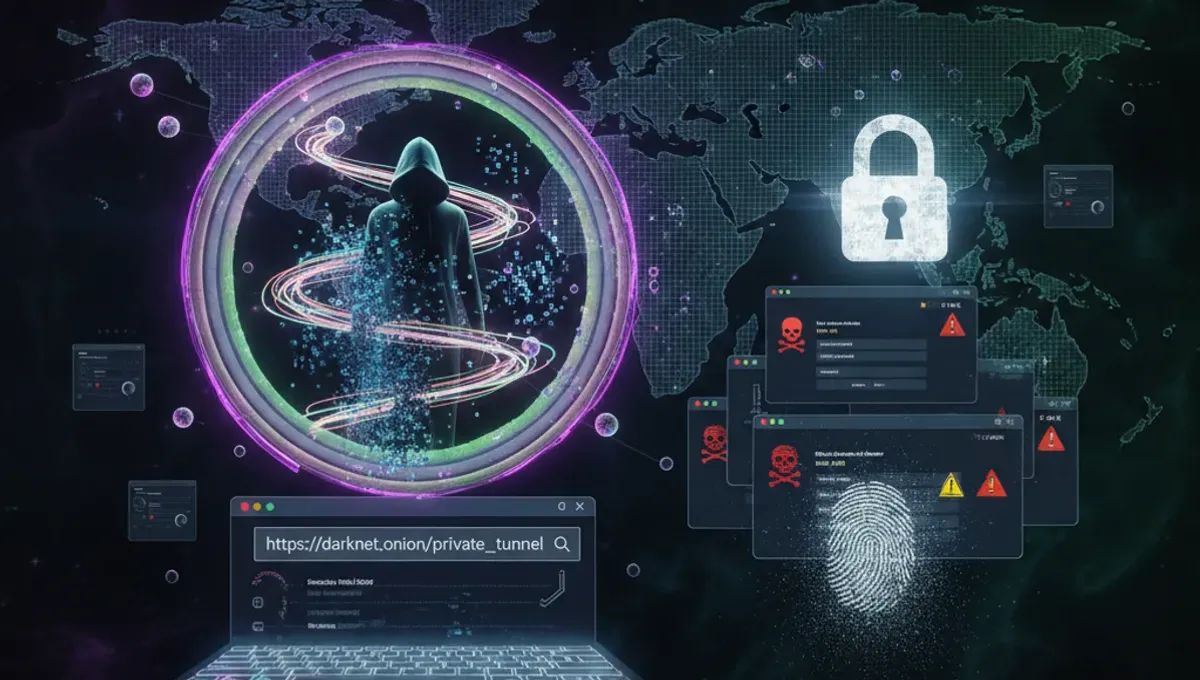
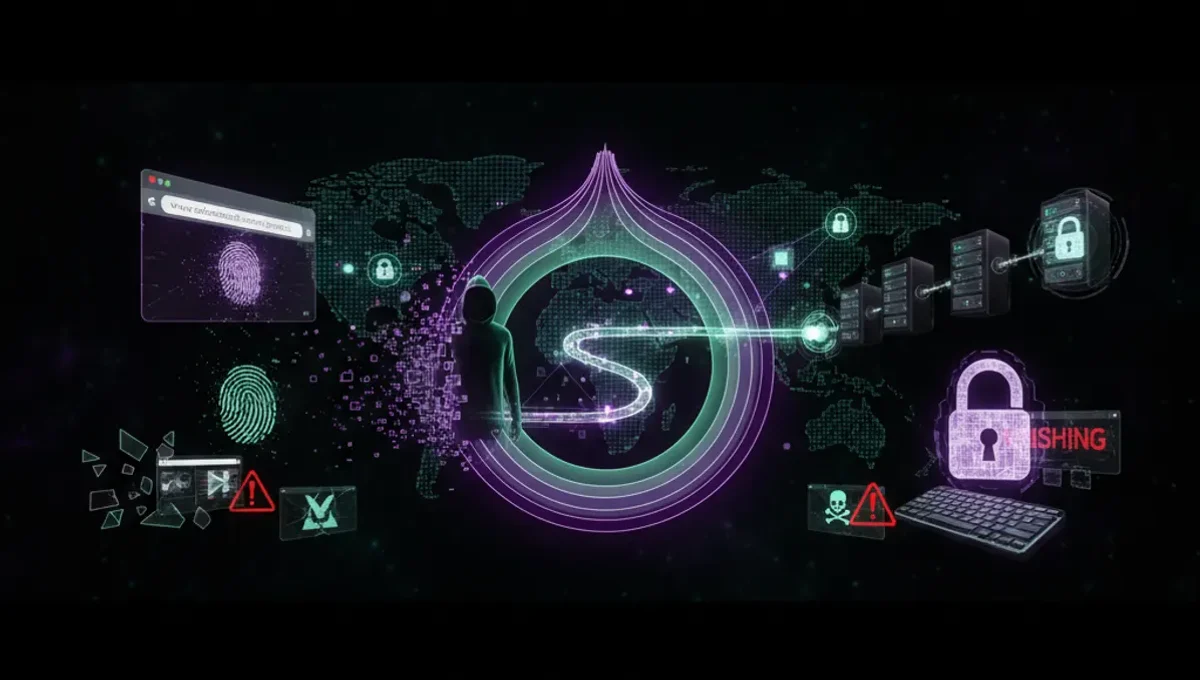
A dark web server is simply a web server configured to operate as a Tor hidden service, also called an onion service. Instead of broadcasting its IP address to the internet, it communicates only through Tor's encrypted relay network. When someone visits an onion site using the best dark web browser (Tor Browser), their connection is routed through multiple Tor nodes before reaching the server, and the server's connection is equally obscured.
The server itself can run on any hardware: a laptop, a rented virtual machine, or a dedicated computer in someone's home. What matters is that it announces itself to the Tor network using a special protocol, not through DNS or traditional internet routing. This means the server has no conventional IP address visible to the outside world, only an onion address (a 56-character string ending in .onion).
Onion services were designed by the Tor Project to allow websites, forums and communication platforms to operate without revealing their location. This protects legitimate uses like journalism, activism and privacy-focused services, but the same technology enables illegal marketplaces and forums.
How Onion Addresses and Server Discovery Work
An onion address is generated cryptographically by the server operator. It is not assigned by a registry or central authority. When a server comes online, it publishes a descriptor to Tor's distributed directory, which contains information about how to reach it through the Tor network. This descriptor is signed with the server's private key, proving authenticity.
When you enter an onion address into the best dark web browser, Tor retrieves that descriptor, establishes a circuit to the server through multiple relays, and initiates a connection. The entire process is encrypted end-to-end. Neither the Tor relays nor any observer on the network can easily determine which onion address you are visiting or where the server is physically located.
This design means onion addresses cannot be looked up in a traditional domain name system. They exist only within Tor's directory. If you want to find a specific onion site, you must already know its address, find it through word-of-mouth, or use a best dark web search engine that indexes onion content. Phishing clones are common because anyone can generate a new onion address and create a fake version of a popular site.
Server Hosting and Operational Security Challenges
Running a dark web server requires careful operational security. The operator must prevent their physical location from being revealed through traffic analysis, timing attacks, or misconfiguration. A common mistake is running an onion service on the same machine as other services that leak identifying information, such as unencrypted email or web traffic.
Many operators rent virtual private servers (VPS) from hosting providers, paying with cryptocurrency to avoid payment records. However, law enforcement has successfully identified servers by subpoenaing hosting providers, analyzing server logs, or exploiting configuration errors. For example, if a server accidentally resolves its hostname through DNS, that query can reveal its location.
Operators of the best dark web pages and forums often use additional layers of security: running the server in a virtual machine, using Tails or Whonix for isolation, and routing all traffic through Tor. Some use multiple servers in different jurisdictions to distribute risk. Despite these precautions, servers can be seized if law enforcement obtains a warrant and gains physical access to the hosting infrastructure.
Reality Layer: How Dark Web Servers Actually Behave
The Tor Project documentation confirms that onion services can be hosted anywhere an internet connection exists, making them genuinely difficult to geolocate through normal means. This matters because it explains why some illegal marketplaces operated for years despite law-enforcement attention: the server's location was not obvious from its onion address alone.
Public law-enforcement press releases from major seizures (such as the closure of specific darknet markets) reveal that servers are typically found through operational security failures, not through breaking Tor encryption. Investigators often identify servers by analyzing transaction patterns, following cryptocurrency trails, or obtaining information from informants. This means the technical infrastructure is more resilient than the human operators running it.
Court records and security-vendor incident reports show that many onion services are not actually anonymous to their operators' ISPs or hosting providers. A server's traffic must exit the Tor network at some point to reach the internet backbone, and that exit point can be monitored or subpoenaed. This matters to readers because it clarifies that running an onion service does not guarantee anonymity to law enforcement with a warrant and cooperation from hosting providers.
Academic research on onion services has documented that some servers leak identifying information through misconfigured headers, timing side-channels, or correlated traffic patterns. This explains why even technically sophisticated operators sometimes get caught: the infrastructure is secure, but implementation errors are common.
Distributed Directory and Tor's Decentralized Design
Tor maintains a distributed directory of onion services without a central point of failure. Multiple directory authorities store and replicate information about active onion addresses. This decentralization makes it impossible for any single entity to censor all onion services or prevent new ones from coming online.
When a server operator wants to take their site offline, they simply stop announcing it to the directory. The address becomes unreachable within hours as the directory information expires. This is why many onion sites disappear suddenly: the operator may have been arrested, the server may have crashed, or the operator may have decided to shut down.
The directory system is also why the best dark web search engines cannot provide a complete index. New onion addresses are created constantly, and many are short-lived. Some operators deliberately keep their sites off search engines to limit exposure. Others use the same onion address for years, building reputation and trust within specific communities.
Identifying and Verifying Legitimate Onion Addresses
Because onion addresses are long, random strings, users often rely on bookmarks, search results, or word-of-mouth to find sites. This creates an opportunity for phishing clones: attackers register new onion addresses that look similar to legitimate ones and host fake versions of popular sites.
To verify a legitimate onion address, look for PGP-signed announcements from the site operator. Many reputable onion services publish their address and a PGP signature on multiple platforms (social media, forums, their own site). If the signature is valid and matches the operator's known key, the address is authentic.
Never assume an onion address is legitimate based on appearance alone. Always cross-reference it with multiple sources. If you are looking for a specific onion service, check the official resources page of this site or the Tor Project's directory for verified links. Be especially cautious with best dark web pages that claim to be marketplaces or forums: many are honeypots or scams designed to steal cryptocurrency or personal information.
Why Dark Web Servers Persist Despite Law Enforcement
The technical resilience of Tor's infrastructure means that closing one onion service does not disrupt the network. Law enforcement must identify and seize individual servers, which requires operational security failures or cooperation from hosting providers. This is why some illegal forums and marketplaces have operated for extended periods despite public attention.
However, persistence does not mean invulnerability. Operators face constant pressure from law enforcement, competing criminals, and technical challenges. Many sites are exit scams, where operators steal user funds and disappear. Others are seized after months or years of investigation. The best dark web apps and browsers are designed to protect user privacy, but they cannot protect operators from their own mistakes.
For ordinary users, understanding how dark web servers work clarifies the risks. Visiting an onion site does not make you anonymous to the site operator, who can see your IP address through Tor (though it will be a Tor exit node, not your real address). The site operator can also log your activity, inject malware, or steal your data. The Tor network protects you from network-level surveillance, but it does not protect you from the sites themselves.
Taking the Next Step: Verify Before You Trust
If you need to access a specific onion service, your first step is verification. Do not rely on search results or links from untrusted sources. Instead, find the official announcement or PGP-signed address from the operator through multiple independent channels.
When you do visit an onion site, use the best dark web browser (Tor Browser) in its default configuration. Do not maximize your window, disable JavaScript, or install extensions, as these can leak identifying information. Keep your operating system and all software updated. Consider using Tails or Whonix for additional isolation if you are accessing sensitive services.
Understand that the site operator can see your activity and may log it. Do not assume the site is secure or trustworthy based on its onion address alone. If you are conducting research or security work, document what you find and report it to relevant authorities or security teams rather than engaging with the site directly.
Frequently asked questions
where are dark web servers physically located
Dark web servers can be located anywhere with an internet connection. Their physical location is hidden by Tor's encryption and routing. Law enforcement must subpoena hosting providers or exploit operational security errors to find them. The server's onion address reveals nothing about its location.
can you trace a dark web server IP address
No. Onion services do not have traditional IP addresses visible to users. They communicate only through Tor's relay network. Even if you could intercept traffic, you would see only the IP of a Tor exit node, not the server itself. Finding a server requires either operational security failures or law-enforcement cooperation with hosting providers.
how do dark web servers stay online without being found
Onion services are resilient because they do not announce their location to the internet. They communicate only through Tor's distributed directory. Operators use hosting providers that accept cryptocurrency and maintain operational security. However, many are eventually found through investigation, mistakes, or informants.
what is the difference between a dark web server and a regular web server
A dark web server runs as a Tor hidden service and has no conventional IP address. It communicates only through Tor's relay network. A regular web server has a public IP address and domain name. Dark web servers are harder to locate and censor, but operators face greater legal and technical risks.
how do you know if an onion address is real
Look for PGP-signed announcements from the operator on multiple platforms. Verify the signature with the operator's known public key. Cross-reference the address with trusted sources. Be cautious of addresses that look similar to well-known sites, as phishing clones are common. When in doubt, check the verified resources page of this site.