What the Dark Web Actually Is
The dark web is a subset of the internet that requires specific software to access, most commonly the Tor browser. It is not a single marketplace or forum, but rather a collection of independently operated websites and services that run on the Tor network. These sites use .onion addresses instead of standard domain names, and they are designed to provide anonymity to both operators and users.
The term dark web is often confused with the deep web, which is simply any part of the internet not indexed by search engines, including password-protected email accounts and private databases. The dark web is intentionally hidden and requires deliberate configuration to reach. Understanding this distinction matters because most dark web sites are not illegal, though illegal activity does occur there alongside legitimate privacy-focused services, forums, and information resources.
Why Dark Web Links Lists Are Unreliable
Anyone searching for a list of dark web sites name list or dark web links list will find many results, but nearly all of them are problematic. Most public directories are outdated within weeks because .onion addresses change frequently, sites are seized by law enforcement, or operators shut down and move. A site listed as active may have been offline for months.
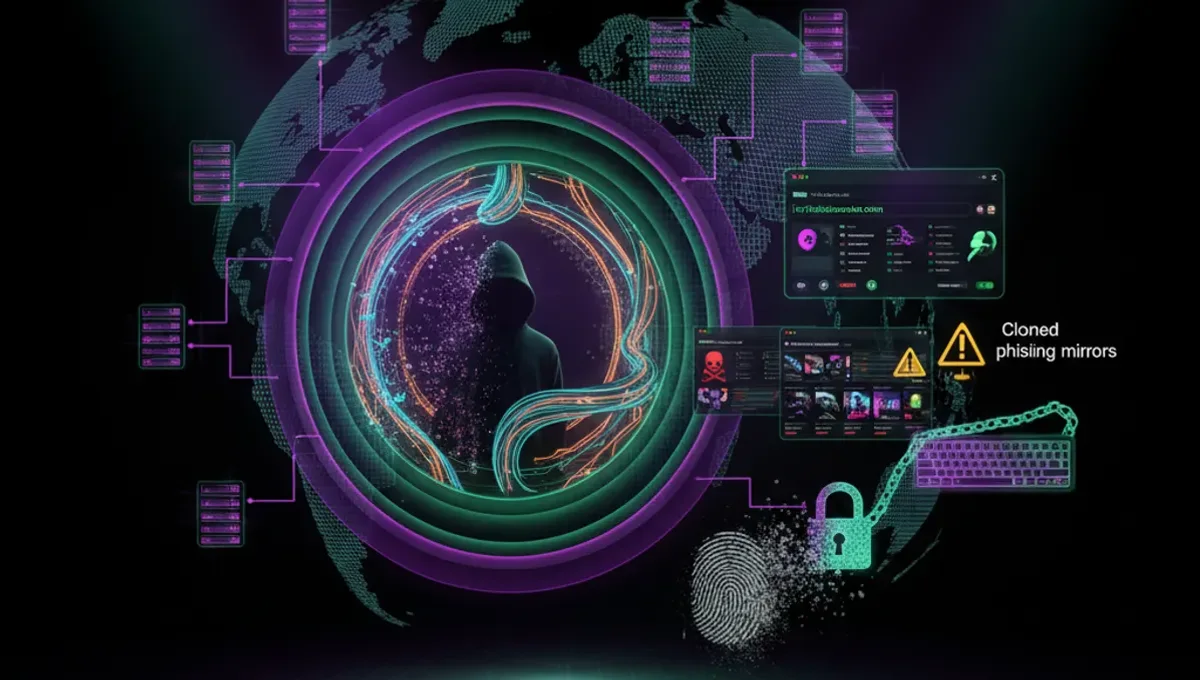
Phishing is another critical problem. Scammers create fake copies of popular dark web sites and distribute false addresses in directories and forums. A user following a link from an old list might land on a phishing clone designed to steal credentials or cryptocurrency. This is why security researchers and the Tor Project itself recommend verifying any .onion address through official PGP-signed announcements rather than relying on third-party lists.
Common Types of Dark Web Services
The dark web hosts several categories of services. Privacy-focused communication platforms, including email providers and messaging services, operate on the dark web to serve users in countries with censorship or surveillance. News organizations maintain .onion mirrors of their sites to allow journalists and sources to communicate securely. Libraries and archives preserve information and research that might be censored elsewhere.
Forums and discussion communities exist for technical topics, security research, and privacy advocacy. Some sites provide information about security tools and best dark web apps for different operating systems. Marketplaces have historically operated on the dark web, though most documented ones have been shut down by law enforcement. Understanding this diversity is important because it shows the dark web is not monolithic, and blanket statements about it are rarely accurate.
Reality Check: How the Dark Web Ecosystem Actually Works
According to Tor Project documentation, the network itself is designed for anonymity and censorship resistance, not to facilitate crime. The Tor Project does not operate or endorse any specific dark web sites. Public law-enforcement press releases from agencies like the FBI and Europol consistently show that dark web marketplaces are eventually identified and shut down through technical investigation, not through public directories. This matters because it shows that the dark web is not a lawless zone beyond reach, and operators face real consequences.
Security-vendor incident reports document that most users who lose money or data on the dark web do so through phishing, scams, or malware, not through law enforcement. Court records from prosecutions of dark web operators reveal that anonymity is not absolute; investigators can and do trace activity through metadata, blockchain analysis, and operational security mistakes. Understanding these realities helps users avoid the two main risks: trusting unreliable directories and assuming anonymity is foolproof.
How to Verify a Dark Web Address
If you need to access a specific dark web service, verification is essential. The safest method is to find the official announcement or documentation from the organization itself, usually on their primary website or in their PGP-signed statement. Many legitimate dark web services publish their .onion address only on their official channels, not on public lists.
When checking whether an address is real, follow these steps:
- Visit the organization's official website (the regular internet version, not the dark web version).
- Look for a link to their .onion address or a PGP-signed statement confirming it.
- If the site provides a PGP key, verify the signature on any address announcement using that key.
- Never copy an address from a third-party list or forum without cross-referencing it against the official source.
- Be aware that even official-looking sites can be clones; check the URL carefully and verify the PGP signature.
This process takes a few minutes but prevents you from landing on a phishing site designed to steal your credentials or compromise your device.
Choosing the Right Dark Web Browser and Tools
Accessing the dark web requires the Tor browser, which is the only recommended tool for this purpose. The Tor browser is maintained by the Tor Project and is designed to route your traffic through multiple relays to obscure your origin. Other applications claiming to be best dark web apps or best dark web browser alternatives are often scams or malware.
When downloading Tor, use only the official Tor Project website. Verify the download signature if possible. Do not use modified versions or third-party builds. Once installed, the Tor browser works like a regular browser but connects to the dark web. Keep it updated, as security patches are released regularly. Avoid changing browser settings or installing extensions, as these can reduce anonymity. Running Tor on a dedicated device or virtual machine adds an extra layer of isolation, though it is not required for basic use.
Why You Should Not Trust Aggregated Lists
Websites that claim to maintain a comprehensive list of dark web sites, a dark web sites name list, or a best dark web apps directory are almost always either outdated, monetized through affiliate links to scams, or designed to distribute malware. Some are honeypots run by law enforcement to identify visitors. Even well-intentioned directories become stale within days because the dark web is dynamic.
Instead of relying on aggregated lists, learn to find what you need through legitimate channels. If you are looking for a privacy-focused service, visit its official website and find the .onion address there. If you are researching dark web history or security, use academic papers and law-enforcement reports rather than directory sites. This approach is slower but far safer and more accurate. The effort to verify information directly is the price of staying secure on the dark web.
Next Steps for Safe Dark Web Use
If you need to access the dark web for legitimate reasons, start by identifying exactly what service you are looking for and finding its official source. Download the Tor browser from the official Tor Project website, verify the download if possible, and install it on a device you can dedicate to privacy-sensitive work. Before visiting any .onion address, verify it through the organization's official channels and check the PGP signature if one is provided.
Understand that the dark web is not a single entity and that no single list can be authoritative or current. The most reliable way to stay safe is to treat each address as something to verify independently rather than trusting a directory. This mindset protects you from phishing, scams, and malware far more effectively than any list ever could. Start with one specific, verified service and learn how the ecosystem works from there.
Frequently asked questions
Is there a reliable list of dark web sites I can download
No. Any downloadable list is outdated within days because .onion addresses change, sites close, and law enforcement seizes servers. Public directories are also targets for phishing scams. The safest approach is to verify each address directly through the organization's official website and PGP-signed announcements rather than relying on third-party lists.
What is the best dark web browser to use
The Tor browser, maintained by the Tor Project, is the only recommended tool for accessing the dark web. Download it only from the official Tor Project website. Other applications claiming to be dark web browsers are often scams or malware. Keep the Tor browser updated and avoid modifying its settings or installing extensions.
How do I know if a dark web link is real or a phishing clone
Verify the address through the organization's official website (the regular internet version). Look for a PGP-signed statement confirming the .onion address. If the site provides a PGP key, verify the signature on any announcement. Never copy an address from a forum or third-party directory without cross-referencing it against the official source.
What kinds of services actually exist on the dark web
The dark web hosts privacy-focused communication platforms, news organization mirrors, research archives, technical forums, and information resources. While illegal marketplaces have operated there historically, most documented ones have been shut down by law enforcement. The dark web is not monolithic, and most services are not illegal.
Can I get caught using the dark web for legitimate purposes
Using Tor and accessing the dark web is legal in most countries. However, anonymity is not absolute, and law enforcement can trace activity through metadata, blockchain analysis, and operational security mistakes. Engaging in illegal activity on the dark web carries real legal consequences, as documented in court records from prosecutions of dark web operators.